Djajady: A Handwritten Font for Modern Web Design
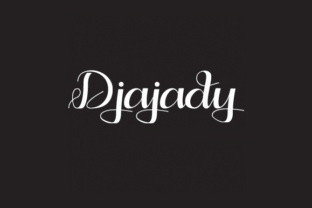
In the fast-paced world of digital product creation, typography is often the first element that communicates brand personality. As web designers and UI specialists, we constantly search for typefaces that balance aesthetic appeal with functional clarity. Djajady emerges as a compelling option in this space, offering a simple handwritten style that feels both elegant and approachable. Unlike overly complex scripts that sacrifice legibility for flair, Djajady maintains a clean structure, making it a versatile asset for landing pages, hero sections, and branded web experiences.
This font belongs to the Script Amp collection, a category known for producing high-quality display fonts that cater to modern design needs. For digital creators, having a reliable script font in your toolkit is essential for breaking up the monotony of standard sans serif body copy. Djajady provides that necessary visual contrast without overwhelming the user interface.
Enhancing Visual Hierarchy in Digital Layouts
Visual hierarchy guides the user’s eye through a webpage, helping them understand what is most important. In web design, we often rely on size, weight, and color to establish this order. However, changing the typeface family can be even more effective. Djajady serves as an excellent tool for defining top-level headings or accentuating key phrases within a content section.
When used in hero sections of landing pages, Djajady adds a human touch that static geometric fonts often lack. This is particularly valuable for brands aiming to convey warmth, creativity, or personal connection. For instance, a coaching website or a boutique online store can use Djajady for main headlines to create an immediate emotional resonance with visitors. The handwritten nature of the font suggests authenticity, which can significantly boost brand trust and user engagement.
It is crucial, however, to use such decorative fonts sparingly. Djajady is best suited for short phrases, titles, and call-to-action areas rather than long paragraphs. Overusing a script font can lead to cognitive fatigue, making it harder for users to scan content quickly. By reserving Djajady for headers and key highlights, you maintain a clear scanning path while adding stylistic depth to your layout.
Practical Applications for Web and Digital Products
The versatility of Djajady allows it to fit seamlessly into various digital contexts. Here are several practical ways to integrate this typeface into your design workflow:
- Landing Page Headers: Use Djajady for the primary headline to grab attention immediately. Pair it with a concise subheadline in a clean sans serif font to ensure readability.
- Boutique Online Stores: Incorporate the font into banner graphics and promotional badges. It works well for highlighting seasonal sales or new arrivals, adding a classy touch to product displays.
- Portfolio Sites: Creative professionals can use Djajady for project titles or introductory text. It helps differentiate personal brands from corporate entities, showcasing individuality.
- Course Sales Pages: For educational products, use the font to emphasize testimonials or key benefits. The handwritten style can make endorsements feel more personal and genuine.
- Digital Ads and Social Media Graphics: Create eye-catching visuals for Instagram stories or Facebook ads. The elegance of Djajady stands out in crowded feeds, especially when placed over minimal backgrounds.
Each of these applications leverages the font’s ability to convey sophistication without appearing stiff. Whether you are designing a SaaS dashboard that needs a friendly onboarding screen or a blog graphic that requires a stylish header, Djajady offers the flexibility needed for modern typography.
Readability and Responsive Design Considerations
One of the biggest challenges with handwritten fonts is maintaining readability across different devices. Mobile screens, in particular, require careful attention to font size and spacing. When implementing Djajady in responsive layouts, ensure that the font size is large enough to be legible on smaller viewports. Avoid using it for navigation menus or small buttons where intricate details might blur or become indistinguishable.
Contrast is another critical factor. Djajady performs best on light backgrounds with dark text or vice versa. If you plan to use it over image overlays, ensure there is sufficient contrast between the font color and the background image. Adding a subtle drop shadow or a semi-transparent overlay can help maintain visibility without compromising the aesthetic. For dark mode interfaces, test the font thoroughly to ensure the strokes remain clear and do not blend into the background.
Additionally, consider line height and letter spacing. Handwritten fonts often have unique kerning pairs. Adjusting these settings in your CSS can prevent letters from touching or appearing too distant, ensuring a polished look across all browsers and devices.
Strategic Font Pairing for Brand Identity
Selecting the right companion font is just as important as choosing Djajady itself. Since Djajady is a decorative script, it pairs best with neutral, highly readable typefaces. A modern sans serif font is typically the safest choice for body copy, providing a clean counterpoint to the organic curves of the script. This combination creates a balanced editorial design feel that is both professional and inviting.
For a more traditional or luxurious brand identity, consider pairing Djajady with a classic serif font. This combination can evoke a sense of heritage and elegance, suitable for high-end product packaging design or luxury service websites. The key is to ensure that the secondary font does not compete for attention. Let Djajady shine as the accent, while the supporting typeface handles the heavy lifting of information delivery.
Consistency in font pairing strengthens brand identity. Once you establish a combination that works for your digital assets, stick to it across all platforms. This includes your website, email newsletters, social media graphics, and digital templates. Consistent typography reinforces brand recognition and creates a cohesive user experience.
Licensing and Technical Implementation
Before integrating Djajady into any commercial project, it is essential to review the licensing terms. Most premium fonts, including those from Script Amp, require specific licenses for web use, especially if you are embedding them via @font-face or using them in client projects. Ensure you have the appropriate commercial font license for websites, online stores, and digital products.
Check the available file formats to ensure compatibility with your development stack. Webfont formats like WOFF and WOFF2 are optimized for fast loading times, which is crucial for maintaining good performance scores and user experience. Also, verify if the font includes multilingual support if your target audience spans multiple regions. Having access to alternates and different weights can provide additional flexibility in your design system, allowing for more nuanced typographic hierarchies.
By understanding the technical and legal aspects of using Djajady, you can confidently incorporate this elegant handwritten font into your design toolkit. It offers a perfect blend of style and functionality, helping you create digital experiences that are not only visually appealing but also effective in communicating your brand’s message.